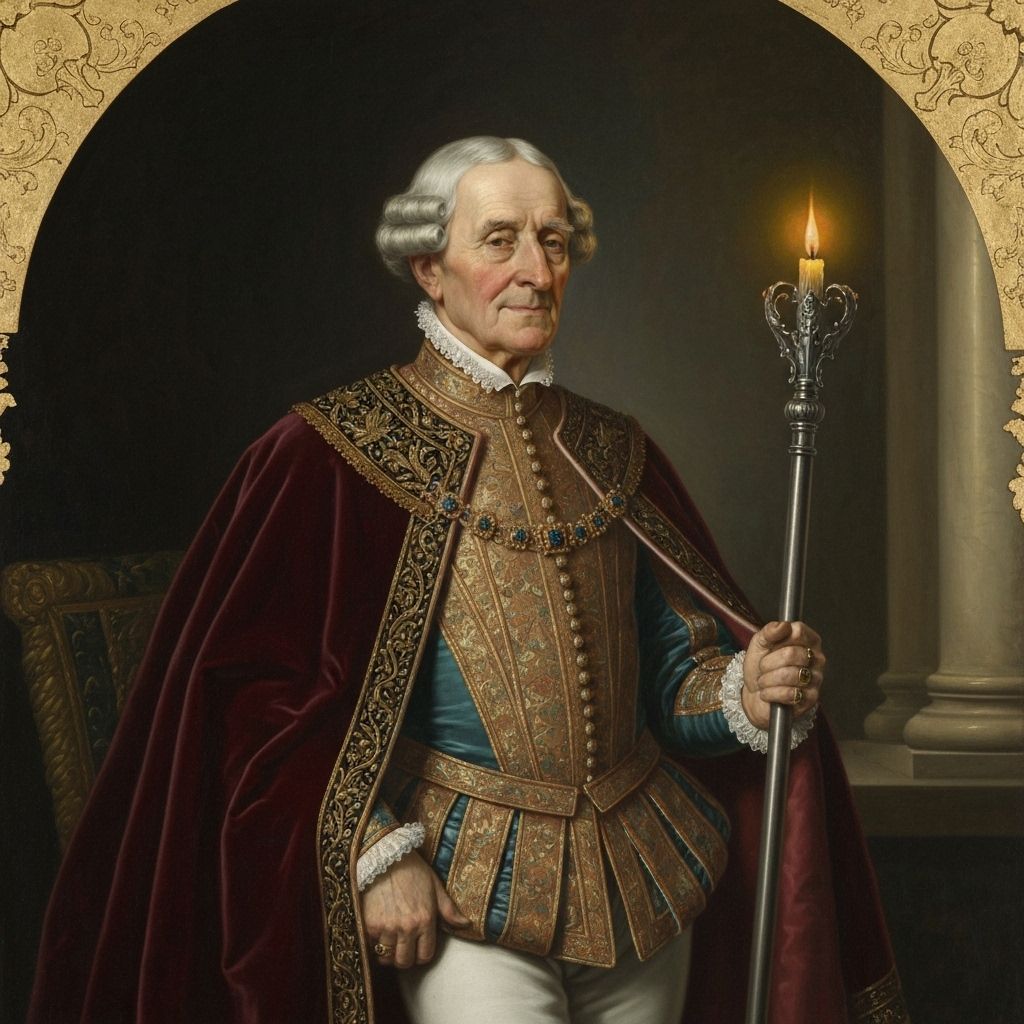
The King of Norway
King of Norway, Fortinbras' UncleThe wise Norwegian king who restrains his nephew Fortinbras from war with Denmark.
The King of Norway Character Analysis Summary
The King of Norway never appears on stage, yet his influence shapes the political landscape of the play. His invisible presence demonstrates how power can be exercised through diplomatic channels and familial authority rather than direct confrontation, providing a stark contrast to the visible corruption of the Danish court.
When informed of young Fortinbras's military preparations against Denmark, the King of Norway acts swiftly and diplomatically to prevent war. His ability to redirect his nephew's martial ambitions toward Poland rather than Denmark demonstrates political acumen and preference for peaceful resolution over armed conflict.
Unlike Claudius, who rules through deception and murder, the King of Norway represents legitimate, stable governance. His control over his nephew and his kingdom suggests a well-ordered state where authority is respected and succession is not contested through violence or intrigue.
As an uncle who holds power while his nephew seeks to assert himself, the King of Norway serves as a foil to Claudius. However, where Claudius usurped power through murder, the Norwegian king appears to hold his position legitimately, highlighting the contrast between rightful and wrongful authority.
The King's ability to restrain young Fortinbras from attacking Denmark demonstrates the power of legitimate authority and familial bonds. His success in redirecting his nephew's ambitions shows that proper governance can channel youthful aggression into acceptable outlets without resorting to violence or suppression.
The King of Norway's response to the Danish diplomatic mission shows sophisticated political understanding. Rather than viewing Claudius's message as an insult or threat, he investigates the situation and takes corrective action, demonstrating that effective rulers prioritize stability over pride.
In a play dominated by disorder, corruption, and failed authority figures, the King of Norway represents functional political order. His brief mention in the play serves to highlight what Denmark lacks - a ruler who governs through legitimate means and maintains control without resorting to murder or manipulation.
The King's relationship with young Fortinbras illustrates the proper relationship between generations in political life. Unlike the Danish court where the older generation (Claudius, Polonius) corrupts or destroys the younger, the Norwegian king guides his nephew toward honorable action while maintaining necessary restraints.
The King of Norway's successful negotiation with Denmark - allowing Fortinbras safe passage while redirecting his military ambitions - represents the kind of diplomatic triumph that eludes the Danish court. His ability to satisfy multiple parties while avoiding conflict demonstrates the power of skilled diplomacy over force or deception.